Materials Discovery


01 OVERCOMING THERMODYNAMIC BARRIERS
Conventional synthesis can only make what equilibrium allows. Flash Joule heating heats and quenches in milliseconds, reaching alloy compositions that were previously out of reach — immiscible metals, high-entropy and metastable phases — as new electrocatalysts.
02 DESIGN FROM THE CHEMISTRY
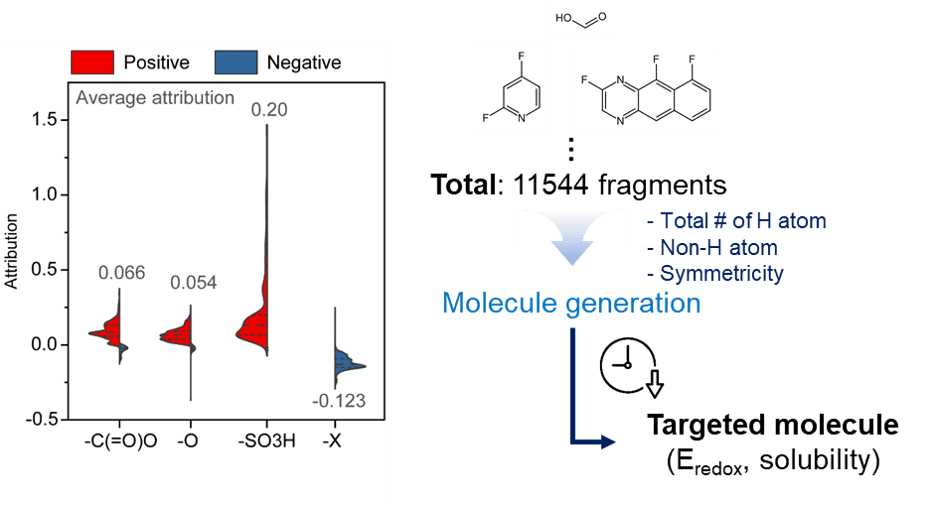
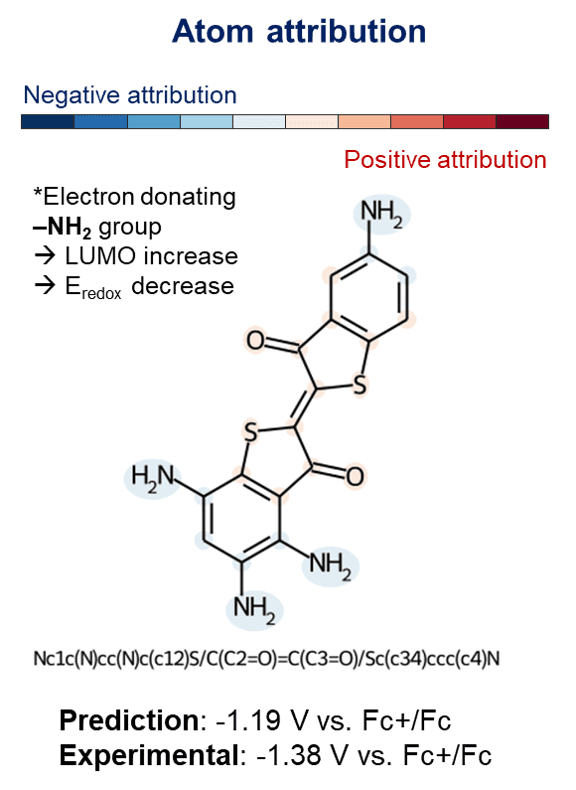
I pair data-driven models with chemical intuition to design toward a target property. Electrochemical structure–property reasoning tells the models what matters, and the data narrows the search — so the right material takes fewer experiments to reach, not more.
RELATED PUBLICATIONS
Under Review
Flash Joule heating for low-critical-metal electrocatalyst synthesis
Using sub-second Joule heating to rapidly synthesize and screen alloy electrocatalysts while cutting reliance on scarce metals
On-going
Toward a closed design–make–test loop for redox-active materials
Linking chemistry-guided design, rapid synthesis, and electrochemical validation into one cycle